
Peer-to-Peer Challenges in the Middle East: A Comprehensive Review
TL;DR
- Israel's P2P landscape is hindered by strict regulations and cybersecurity concerns, affecting the adoption of P2P technologies.
- The Middle East region faces unique infrastructure challenges, including limited internet penetration and high latency, which impact P2P network performance.
- Blockchain-based P2P solutions are being explored to address issues like security, scalability, and transparency in the region.
- Collaboration between governments, industries, and academia is essential to develop effective P2P policies and address the region's specific challenges.
Introduction
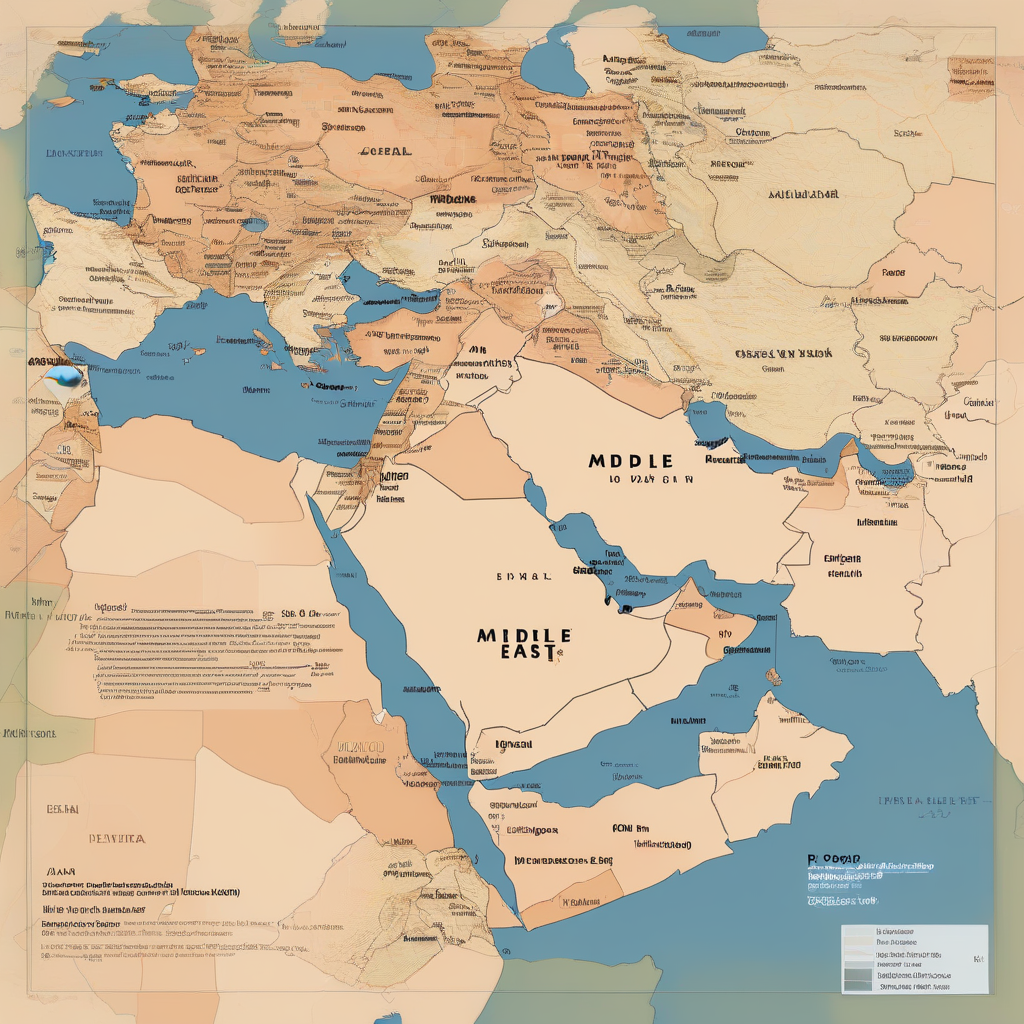
The Middle East, a region of significant economic and cultural diversity, is home to a growing number of peer-to-peer (P2P) networks. However, the adoption of P2P technologies in countries like Israel is hindered by various challenges, including regulatory hurdles, cybersecurity threats, and infrastructure limitations. This article aims to provide a comprehensive overview of the major P2P issues in Israel and other Middle Eastern countries, exploring the causes, consequences, and potential solutions.
P2P Regulatory Challenges in Israel
Israel, known for its vibrant tech industry, has a complex regulatory environment that affects the development and use of P2P networks. The country's laws and regulations, such as the Copyright Law, aim to balance the need to protect intellectual property with the need to promote innovation and freedom of expression. However, these regulations often create uncertainty and challenges for P2P platforms, making it difficult for them to operate and comply with the law. According to Israel's Ministry of Justice, the government is working to update its regulations to address the evolving P2P landscape, but more needs to be done to create a clear and supportive framework for P2P innovation.
Cybersecurity Concerns in the Middle East
The Middle East is a region prone to cybersecurity threats, with many countries facing significant challenges in protecting their digital infrastructure. P2P networks, which rely on decentralized and often unsecured connections, are particularly vulnerable to cyber attacks. Malware, DDoS attacks, and data breaches are common threats that can compromise the integrity and security of P2P networks. To address these concerns, P2P platforms and users in the region must adopt robust security measures, such as encryption and secure authentication protocols. As noted by Cybersecurity Ventures, the global cybersecurity market is expected to reach $300 billion by 2024, highlighting the growing importance of cybersecurity in the P2P ecosystem.
Infrastructure Challenges in the Middle East
The Middle East region faces unique infrastructure challenges that impact the performance and adoption of P2P networks. Limited internet penetration, high latency, and poor network quality are common issues that affect the region's digital infrastructure. These challenges are particularly significant in countries with limited economic resources, where investing in digital infrastructure is often a lower priority. To address these challenges, governments and private sector companies are working to improve the region's digital infrastructure, including the development of 5G networks and data centers. As reported by GSMA, the Middle East is expected to see significant growth in mobile broadband adoption, which will help to improve the region's P2P connectivity.
Blockchain-Based P2P Solutions
Blockchain technology, which enables secure, decentralized, and transparent data exchange, is being explored as a potential solution to address the P2P challenges in the Middle East. Blockchain-based P2P platforms can provide a secure and reliable way to exchange data, conduct transactions, and verify identities. According to Blockchain Council, blockchain technology has the potential to transform the P2P ecosystem, enabling secure, efficient, and transparent data exchange. However, more research and development are needed to fully realize the potential of blockchain-based P2P solutions in the region.
Practical Takeaways
- Develop clear and supportive regulations: Governments in the Middle East must work to create clear and supportive regulations that promote P2P innovation while protecting intellectual property and user rights.
- Invest in cybersecurity: P2P platforms and users in the region must adopt robust security measures to protect against cyber threats and ensure the integrity of P2P networks.
- Improve digital infrastructure: Governments and private sector companies must work to improve the region's digital infrastructure, including the development of 5G networks and data centers.
- Explore blockchain-based solutions: Blockchain technology has the potential to transform the P2P ecosystem, and more research and development are needed to fully realize its potential.
- Collaborate and share knowledge: Collaboration between governments, industries, and academia is essential to develop effective P2P policies and address the region's specific challenges.
Conclusion
The Middle East, particularly Israel, faces significant P2P challenges due to regulatory hurdles, cybersecurity threats, and infrastructure limitations. However, by addressing these challenges and exploring new technologies like blockchain, the region can unlock the full potential of P2P networks and promote innovation, economic growth, and social development. As the P2P ecosystem continues to evolve, it is essential to prioritize collaboration, knowledge sharing, and investment in digital infrastructure to create a supportive and secure environment for P2P innovation.
References
- Israel's Ministry of Justice — Israel, 2022
- Cybersecurity Ventures — Cybersecurity Ventures, 2022
- GSMA — GSMA, 2022
- Blockchain Council — Blockchain Council, 2022
- P2P Foundation — P2P Foundation, 2022